
Hartford, Kentucky, the county seat of Ohio County, boasts a rich history that dates back to the late 18th century. The area was originally part of a 4,000-acre land grant from Virginia to Gabriel Madison, surveyed in 1782 and settled prior to 1790. Early settlers established a fortified settlement known as Fort Hartford on a bluff overlooking the Rough River. This fortification served as a protective measure against frequent conflicts with Native American tribes during that period.
The name “Hartford” is believed to have originated from a deer crossing, or “hart ford,” on the Rough River near the settlement. In 1799, Hartford was designated as the county seat of the newly formed Ohio County. The town’s post office was established in 1801 under the name Hartford Court House, and the settlement was formally incorporated by the state assembly in 1808.
Throughout the 19th and early 20th centuries, Hartford developed into a vibrant community. The Downtown Hartford Historic District, encompassing parts of Main Street and Courthouse Square, features architecture from the late 19th and early 20th centuries and was added to the National Register of Historic Places in 1988. Today, Hartford continues to honor its historical roots while serving as a welcoming community for residents and visitors alike.
Explore Hartford’s History
Discover more about Hartford, Kentucky in a fun and engaging way! The below features short history lessons (written with children in mind) paired with coloring pages that bring the past to life. From people to places to moments that shaped our community, these activities are designed to help learners of all ages explore Hartford’s history.
Home of 2000 Happy People & a Few Soreheads
Hartford became an official city a long time ago—on February 3, 1808! At that time, it was a small town with about 100 people living on 400 acres of land near the Rough River. The land once belonged to a man named Gabriel Madison. Over the years, Hartford grew bigger, and by 1900, about 1,000 people called it home. It was also chosen as the county seat of Ohio County, making it an important place for the community.
Many years later, Hartford became known for its fun and unusual slogan! A mayor named Charles Ellis suggested calling the town the “home of 2000 happy people and a few soreheads.” At first, leaders weren’t sure about it, but in 1958 they decided to put up a sign with the slogan.
A “sorehead” is usually someone who is grumpy or upset, especially when things don’t go their way. But in Hartford, the meaning is a little different—and a lot more positive!
Here, “soreheads” are just people who care deeply about their community and want to make it the best it can be. The slogan is meant as a fun joke that shows Hartford is full of happy people—and a few who care so much, they speak up and try to make things even better!
Today, visitors can still see the sign, reminding everyone that Hartford is a place with a sense of humor and a lot of pride!
Hartford City Hall
One of the most interesting buildings in town is City Hall. It was built in the late 1930s.This building was once a busy place, but not just for city business — it had a movie theater on the first floor, where people could watch films together! The building was designed in a style called Art Deco, which means it has cool shapes, patterns, and detailed stonework that make it stand out.
Next to City Hall was the fire station, and today that space is used for town offices. Another important group in Hartford is the Hartford Police Department, whose officers help keep people safe every day. Even though some parts of the old building are no longer in use, it still reminds us of how Hartford has grown and changed over time.
Below are two styles of coloring pages for various age ranges – one more detailed and one more simple.
The Ohio County Museum
The John C. Thomas House, also known as the Ohio County Museum, is a beautiful two-story home that was built all the way back in 1880! Today, it is listed on the National Historic Register, which means it is an important place worth protecting and remembering. The house is now cared for by the Ohio County Historical Society and is filled with interesting items that help tell the story of the community.
When you visit the property, there’s even more to explore! You can also find the Veteran’s Museum and other exhibits that honor local heroes and share stories from the past. It’s a great place to learn about history and see what life was like long ago in Hartford and Ohio County.
Transportation in 1910
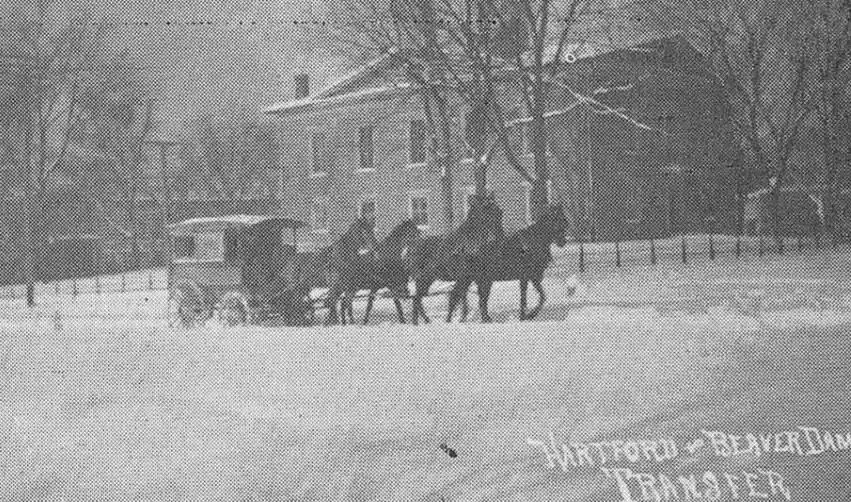
This coloring page is inspired by a real photograph taken on a snowy day in January 1910 in Hartford, Kentucky.
In the picture, you can see horses pulling a transfer wagon through the snow near the Ohio County Courthouse. Back then, people didn’t have cars like we do today—they used horses and wagons to travel and carry goods!
The courthouse in the background looks different from the one you see today because the old building was later replaced. The photographer was standing near where Hartford City Hall is now, capturing a quiet winter moment in the town’s history. As you color, imagine how cold and peaceful Hartford must have been on that snowy day over 100 years ago!
Meet Artist Charles Courtney Curran
Did you know a famous artist has ties to Hartford, Kentucky? His name was Charles Courtney Curran, and he became known for creating beautiful paintings that people still admire today!
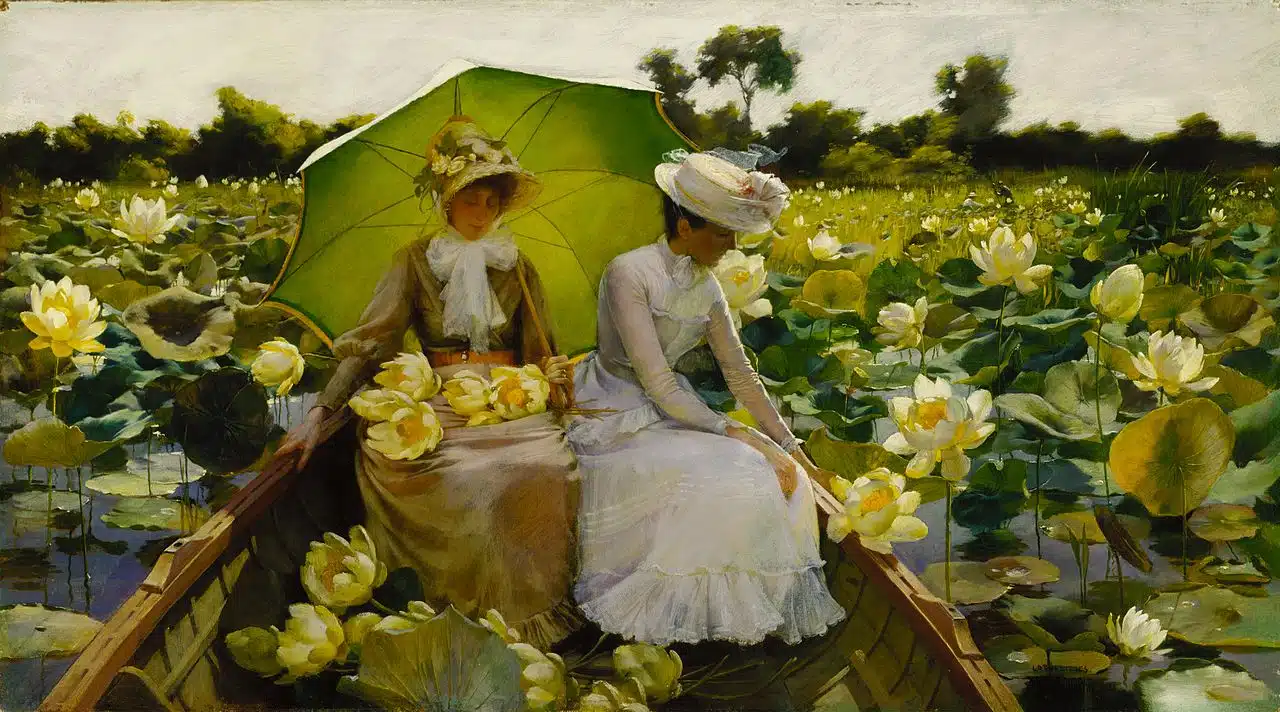
He was born on February 13, 1861, to Ulysses and Elizabeth Curran. His father was a teacher at the Hartford Seminary on Center Street—a building that is still standing today!
Curran grew up to become a very talented artist and later moved to New York City, where he created many beautiful works of art. Curran was especially good at painting sunlight, flowers, and people enjoying peaceful outdoor scenes. His artwork often shows bright colors, soft light, and calm moments—like someone reading in a garden or relaxing in nature. This style is sometimes called Impressionism, which means capturing a feeling or moment instead of every tiny detail.
Even though his paintings became well-known across the country, his connection to Hartford is something the community can be proud of. His work shows just how talented someone from a small town can be!
Today, Curran’s paintings are displayed in museums, and people continue to study and enjoy his art. His work is part of collections at places like the Metropolitan Museum of Art in New York, the Brooklyn Museum, and the Pennsylvania Academy of the Fine Arts in Philadelphia.
Below are two coloring sheet options, one for beginners and one for more advanced artist, inspired by his work Lotus Lilies
Dr. Wayland Alexander
Dr. Wayland Alexander was an important leader in Hartford’s history. He was born in 1839 in Louisville, Kentucky, and later became the first president of Hartford College when it opened in 1880. The college was a popular place where students came to learn about teaching and business, helping them prepare for their future careers.
After the college closed in the early 1900s, the building became Hartford High School, and until 2026, the property is home to the Ohio County Board of Education. Dr. Alexander made a lasting impact on education in Hartford, and he is still remembered today. His portrait, donated by his granddaughters, is now displayed in the library at Wayland Elementary School.
Dr. Alexander passed away on August 27, 1911, and is buried in Oakwood Cemetery in Hartford.